Table of Content
Experiment with different types of noodles. Some people find they prefer working with steamed noodles that only require soaking beforehand. Others find that the pan-fried, generic chow mein noodles work just fine, so why mess with a good thing? And yet others have diet restrictions, and need to use mushroom noodles or other variants.
When the oil is hot, use a spatula to push the noodles into the pan.Cook the noodles until they golden brown on the bottom . Press down on the noodles with a spatula during cooking - this helps form them into a nest shape and makes sure they cook evenly. Remove the noodles with a slotted spoon and place in a colander.
Get the Latest Recipes Right in your Inbox:
To conclude, the most important ingredient of the dish is noodles. You should fry them until they are crispy and mix them with vegetables and chicken or shrimp. Once the sauce is made, it’s time to get cooking!

This prevents noodles from overcooking or becoming soggy. Do you like your dish coated with sauce? If you have answered yes, definitely try lo mein. But if you want to state the flavor of each ingredient separately, go for chow mein. Since the main ingredient of the two Asian dishes is noodles, you should know they are prepared differently. Comparing the two dishes, you may not be able to spot even a single difference.
Cook the Noodles
Cut the chicken into small pieces and cook them on medium heat. Stir-fry everything and add just a little bit of the thick sauce. Lo mein has a generous amount of vegetables, meats, or tofu that are also coated with sauce. So, sit back and get ready to dive into a wonderful Asian dish – chow mein. Garlic – Always use fresh garlic for the best results, especially in Asian recipes. Dark Soy Sauce – It’s a bit sweeter as well as both thicker and darker in color.

Pour sauce over skillet and add cooked noodles, tossing to combine. In a small skillet, heat the oil over medium-high heat, stirring constantly, for 1-2 minutes, or until the cabbage has wilted. To prepare the soup, start by boiling a big pot of salted water. 2 to 4 minutes, depending on the manufacturer’s recommendations, boil the noodles in salted water.
What are Chinese noodles made of?
Regardless of the flavor, they are a delicious and popular choice for those who seek a spicy and warm flavor. We don’t want to overcook it, so we cook it thoroughly. When noodles have turned golden brown, place them in the microwave for a few minutes.

You can find it in any Asian grocery store and oftentimes in your local market too. One that will please the most hungry kids or noodle loving adults. The key to making a great Chow Mein is to fry the noodles separately from the topping . The topping is then served over the noodles. Add a small amount of oil, 1/2 tablespoon or as much as is needed to lightly coat the bottom of the pan.
What is traditional chow mein?
Place 1 pound of fresh bean sprouts in a colander. Rinse them thoroughly, then allow the bean sprouts to drain while you prepare the other ingredients. This should be done about an hour before the rest of the recipe is ready.If you're not a fan of bean sprouts, that's completely fine.
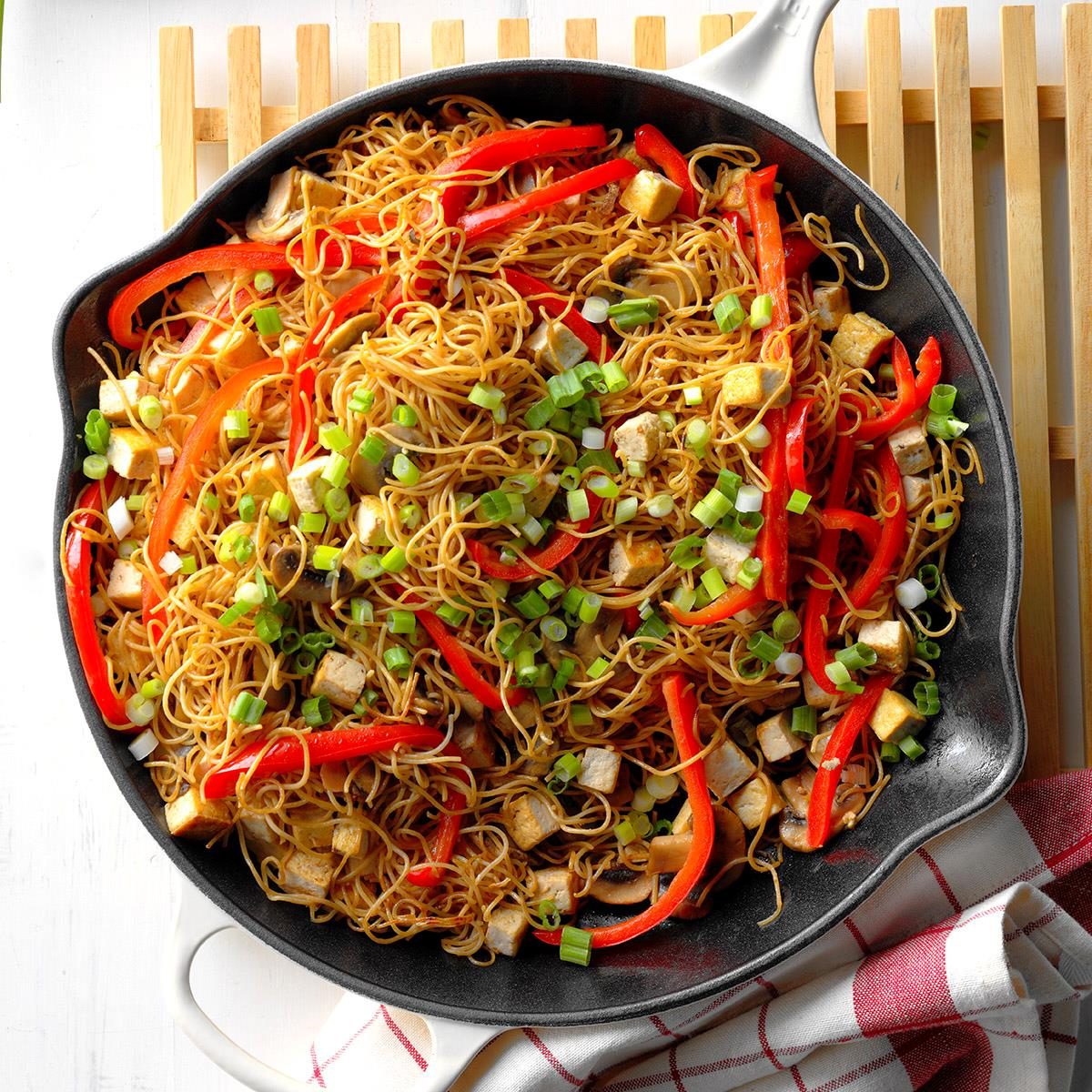
There are numerous Chinese noodles on the market today, but Chow Mein noodles are by far the most popular. Chow Mein noodles are sure to please, whether you’re looking for a quick and easy meal or something more luxurious. It is true that Chow Mein noodles are more delicate than Singapore noodles because they are made from wheat flour. Despite this, they are still very flavorful and can be cooked in a variety of ways. If you’re looking for a simple and quick meal, chow mein noodles are the way to go. They can be boiled in water or chicken broth, or they can be fried in vegetable or meat flavors.
In a large skillet or wok, stir-fry the mushrooms, celery, onion, pepper and carrot in oil for 5 minutes. Add garlic; stir-fry 1-2 minutes longer or until vegetables are crisp-tender. If you would like to make this chow mein recipe even more authentic, try frying the noodles in a little bit of oil before adding them to the pan. This variety of chow mein noodles resembles those found in La Choy containers. Every time you open up those crispy noodles in the dry section, you might be tempted to nibble on a few. In this variation, we’ll still boil the noodles first, but we’ll deep-fry them instead.

It takes about 20 minutes and can be cooked with most of the vegetables you have in your fridge. Add the noodles and pour the prepared sauce over the noodles and toss everything together until well coated. Add the cabbage, bell pepper and carrot to the wok and cook for 2 to 3 minutes until cabbage starts to wilt. When making the sauce you must use hot water to both thin it out correctly and aid in cooking the noodles. To begin, make the sauce that coats the noodles by whisking all the ingredients together in a medium size bowl. It’s super easy to do, but the water must be hot!
If you like your noodle drained in sauce, be ready to face the opposite with chow mein. The sauce is there just to soften the crispy noodles and poured over the dish just slightly. Hot Water – Works to both thin out the sauce a tad and aid in cooking the noodles. Just made this for the first time tonight, and it was a hit! Could not find the Hong Kong noodles, so used 2 pkgs of Ramen w/o the flavoring packet. First boiled for 4 minutes, drained and rinsed, then tossed in a tsp of olive oil to prevent sticking together.

If you prefer a quick and simple meal, Singapore noodles are an excellent choice. In addition, Singapore noodles can be served cold as a salad. Despite the fact that Chow Mein noodles were originally launched in 1950, the year of Singapore noodles is unknown.
Can I use regular spaghetti noodles for chow mein?
It’s an incredible plate of simple noodly goodness that you can whip together in just 15-minutes using just one pan. I didn’t use udon noodles – I used Pasta Zero and added them right at the end and it was wonderful. Prepare noodles according to package instructions. You may use vegetable oil instead of peanut oil if need be.




No comments:
Post a Comment