Table of Content
The addition of an audio transformer in the electric passage of the subwoofer is an excellent solution. It identifies the signals and then converts them to the required information. In the absence of these devices in the ground connection directly produces a buzzing sound. It is a repairable issue, and you can also consult with an expert person to discard the buzz.
First, see if the hum happens only when your receiver is switched to particular sources. If it does, then that's suggestive of where the problem will be found. But under some conditions, noise can come in even from the source you're not presently using. Ground loops can often be resolved without spending any money on the problem.
Home Theater Forum
Sometimes, one prong is wider than the other, which may prevent the reversal. In such situations, use an AC ground adapter to reverse the polarity. Most of these adapters have uniform-sized prongs and are available at local home improvement stores.

Disconnect your source and display equipment from your receiver or surround sound processor. If the noise stops, connect them back to the receiver or processor on at a time until the noise returns. When the hum comes back, you found where the noise is entering your system. Note that if you are connecting remote equipment, such as running the signal from your theater room DVD player to the TV in the bedroom, your chances to pick up noise increase dramatically. With such long runs, noise can be induced into the long cable runs from adjacent electrical wiring. It is also easy to create a ground loop, because the equipment is plugged into two different, widely separated outlets, on different electrical circuits.
How to Fix Subwoofer Hum
The front grill can be removed to expose the gold plating if you want a different look. The wider ports of this improved design from the original (BIC Acoustech PL-200) eliminate noise. The cabinets are engineered to reduce vibration for a tight, clean sound. If you choose to add this 8-inch Yamaha subwoofer to your setup, you’ll get the benefit of well-rounded sound. It uses Advanced YST II, a proprietary technology that controls subwoofer motion and handles impedance beautifully.
If you don’t reach an extension wall, then separate it with your sound system, make use of the extension cord. This is another major cause of humming in the subwoofer, which is not connected. To confirm if this is the cause, you need to look at whether at least two devices are connected to a common ground through different paths. Moreover, it is of importance to know that ground loop is rare if you eliminate all inputs. A ground loop of this subwoofer is one of the problems in generating the buzzing sound. It happens due to the connection of these tools with the ground electric power.
Signal interference
Also, check your home theater receiver to verify an existing subwoofer connection for easy setup. Some require speaker wire to connect to high-level outputs. One of the most annoying -- but difficult to find and solve -- problems that can crop up in a home theater or stereo system, is a ground-loop subwoofer hum. A ground loop is an electric difference of potential between various ground points throughout the system.
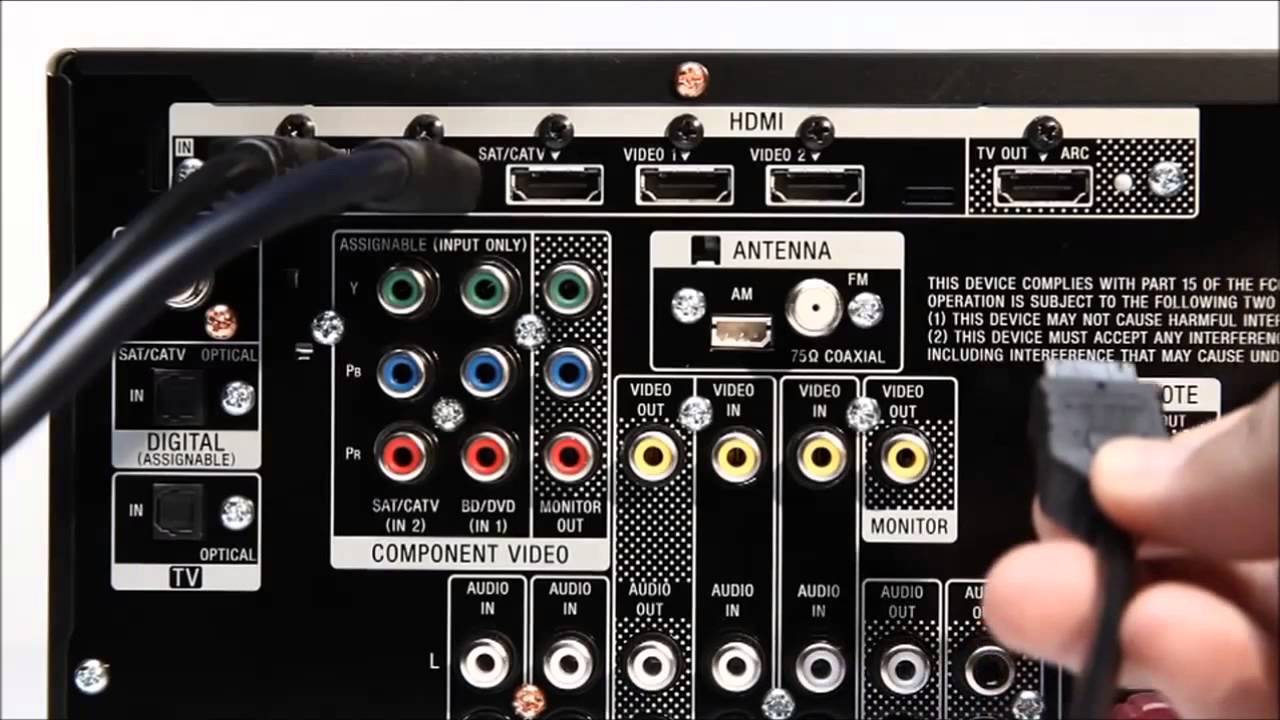
Alter the covers and then observe the performance of your system. Also, in case of surges, you need to install the protection tools. Use one setup at one particular time and demolish passive audio problems. These modifications occur inside and directly affect the quality of sound production. The fixation of this problem is complex due to internal damages. The sound is unfavorable for hearing people, and they prefer to shut off the object.
Top Subwoofers for a Home Theater
These settings help you adjust the subwoofer to produce the best overall sound for your home entertainment setup. Overall, if you have limited space and are on a budget, this is one of the best high-powered subwoofers. The enclosure is designed with air space that strengthens the quality of the thump and overall sound output. It also has a detachable foam grill, allowing for two different looks.
You sit down to relax and listen but notice something is off. A conspicuous, persistent hum emanates from the subwoofer, and it shows no signs of going away. Check the surrounding structures to find the problems of your amplifier. You can demolish the humming sound by replacing the capacitors.
In some situations, changing the polarity of your connections may not end the problem, hence consider a reversal of other plugs. Normally, 50 or 60Hz hum is due to power supply leakage into the subwoofer’s amplifier. This may occur due to a problem with the amplifier itself. It is often brought up by power surges that destroy the amplifier. Mostly the cause of these problems is capacitors in the amplifier or power supply which are not damaged. This is probably the most straightforward fix to try because all it involves is reversing the power plug's orientation.

In this case, the isolation transformer, or any power conditioner or UPS with an isolation transformer will have absolutely no affect on the grounding problem. If the noise is from your projector, TV, or monitor, it is most likely caused because the video display device is plugged into a different outlet than the other a/v equipment. That is, the resistance to ground is different on each circuit. A difference in resistance to ground from one ground point to another can cause the dreaded ground loop. If you get a ground loop, current flows between the two components. If the current flows through the components internal audio signal ground, you will get a hum.
Either way, you can correct the situation without resorting to filtering out the noise, which also strips out audio signals. Usually, all it takes is a change in the way the subwoofer connects to power. The amplifier also damages due to changed setting conditions and alternative port connectivity. In addition, the resistance and high voltage of electric current can generate issues of a home theater amplifier. The leakage of the power supply occurs in the linked devices of the subwoofer.
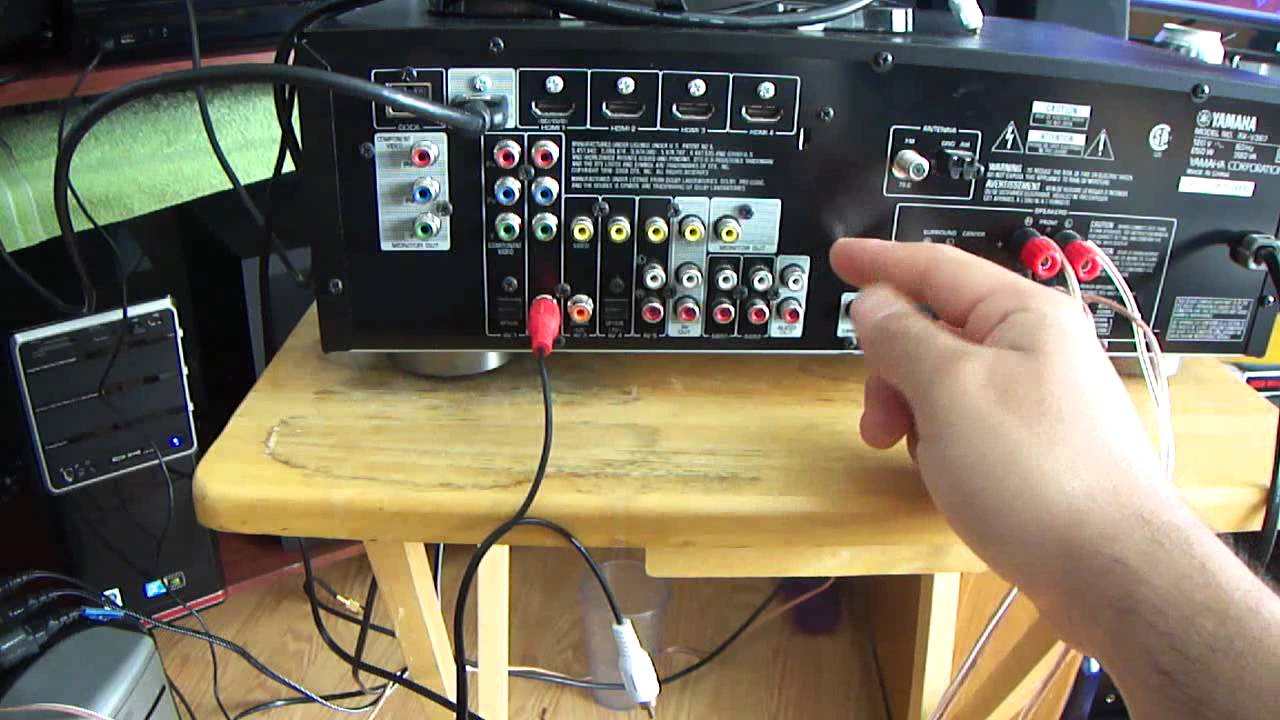
An easy fix is grounding the supply of power by connecting one side of your wire to metal chassis, then screwing the subwoofer and the other end to a metallic material and ground. We have several potential causes why subwoofers hum, for instance, electrical defects, ground loop sound, and induced noise. These sorts of pseudo-grounded arrangements can cause ground loop problems that can't be resolved through ordinary grounding techniques. When you cluster power or audio cables in bundles, signals bleed over and create noise because of their proximity. Space cables apart so the electrical fields created by moving current don't interfere with each other. If you can't separate them a sufficient distance, upgrade the audio cables to ones with more effective shielding.
It may be necessary to use an extension cord to reach a wall outlet that is separate from the rest of the stereo system. You can use an isolation transformer, similar to the type used for cable TV ground problems, to eliminate the electrical connection from one component to the other. These transformers are inserted in line with the audio signal connection between the two components. If there is no audio connection between the components, the problem may be current flowing through the video portion. In this case, a video isolation transformer should be used to eliminate the ground loop.



No comments:
Post a Comment